Search this site
711 results found with an empty search
- From Pain to Profit: Resiliency Lessons for Sales
Good old Webster defines sales as “the exchange of goods, services, or property for money.” I contend we also engage in the act of “selling” when we want support for an idea, a course of action, or the engaged hearts and minds of people who work with us. In short, everyone is in “sales”. Rejection hurts and the pain can go from minor to severe. One young man was so demoralized when he didn’t get the hoped-for job that he literally refused to leave his home. He thought he had not “sold” himself well. A missed sales target puts one team in a blue funk that cast a shadow of gloom throughout the building. Read the rest of this article on LinkedIn .
- The Wisdom From A Box Office Hit
From raging forest fires that claimed 44 lives and 10,000 homes so far in Northern California, to the hurricane floods that washed over Texas, Florida and Puerto Rico, from the bitter hate speech that continues to spill across social media to the incoherent ramblings of too many so-called “leaders”—this has been a year that has battered our spirits. Who would think that The Last Jedi would offer some keen insights into what might prop up our souls and help our resiliency. In the movie, despite being overrun, outgunned, and backed into a corner, resistance forces rallied around the words of Commander Leia, “Hope is like the sun. If you only believe it when you see it, you’ll never make it through the night.” Read the rest of this article on LinkedIn .
- How to Craft a Key Retention Strategy: Mentoring
Recruitment of talent is one issue. But the retention of talent looms as an ever-larger concern for organizations seeking to be resilient in the future. According to a Deloitte study, 83% of companies are seriously worried about their leadership pipelines yet only 8% of companies have strong programs to build leadership skills in their millennial populations. DANGER: By 2020 2/3 of millennials are poised to leave their company. Training to replace costs companies between $15,000 - $25,000. SOLUTION: Research shows that mentoring is the quickest way to advance people and keep them. Read the rest of this article on LinkedIn.
- Dump The Dictionary and Learn The True Meaning Of Resiliency
Resilience is a way of walking though life. As I explored the wisdom we all get in hindsight, I realized that there is another word we might use: PREsilience (preventive resilience). These are skills and actions that can be cultivated, developed, and taken BEFORE necessity strikes. It is about being pro-active and prepared. If not prepared and proactive, your head will resonate with after-the-fact "if onlys." In short, human resiliency is far deeper and more all encompassing than how the dictionary defines "resilience." Read the rest of this article at LinkedIn.
- THE ENERGIZING MOMENT: Part 10: Humor and Disasters - How to develop a Humor Muscle.
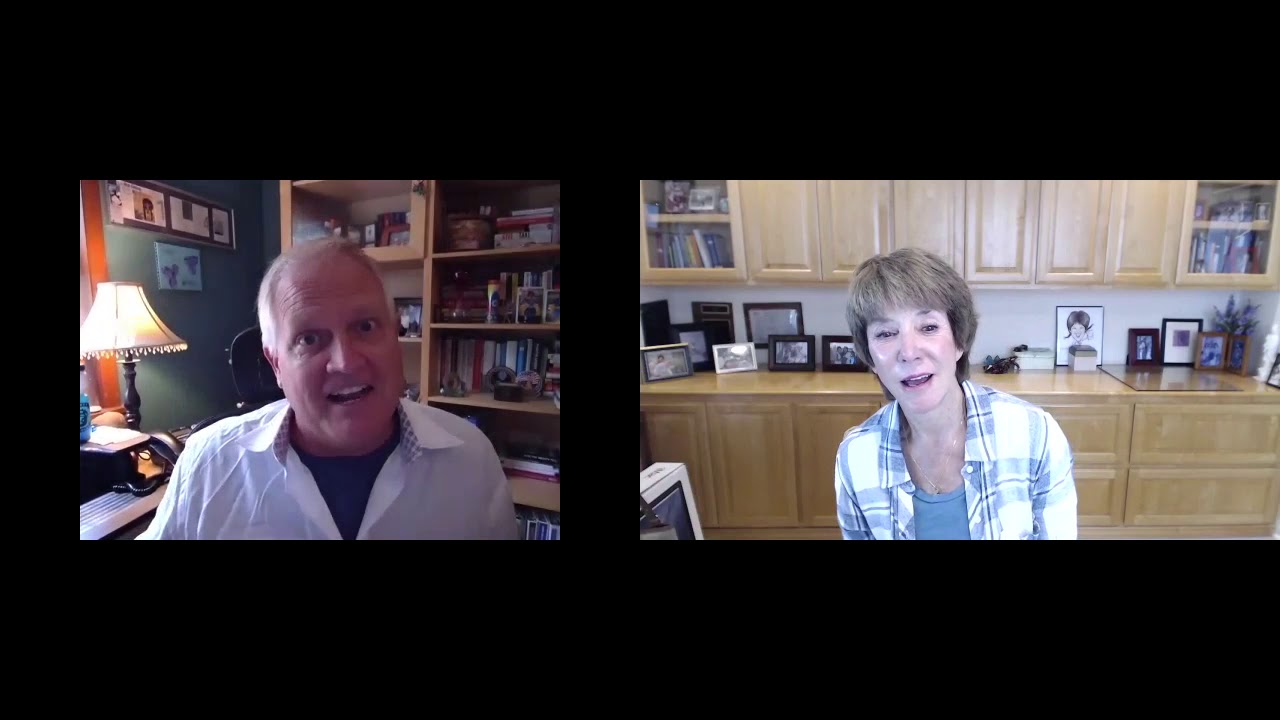
What fires together, wires together. That’s the neurological explanation for creating new brain patterns. And humor is a pattern that can be practiced and honed into a resource to be used every day in both times of challenge as well as opportunity. Learn more at https://www.eileenmcdargh.com and http://www.karynbuxman.com.
- Tornado Tragedy Yields Surprising Tenderness
Throughout the long, howling night of Saturday Dec. 26, Jim and Stephen crouched in their storm shelter as 11 tornadoes roared through Garland, TX and the Dallas Metroplex. In a story told to a colleague, the two men described it as “hell on earth”. When they emerged and gazed around, not only were they missing a home but pretty much the entire neighborhood. The surprising tenderness however occurred in the early morning hours. Here is their story. They woke around 6am to a rapping on the weighted door of their shelter.The sound was strange and unnerving as the weather outside was still very stormy. They unbolted the door and were greeted by a gentleman with a giant umbrella, briefcase and a large carry bag of Dunkin Donuts from nearby Meadowcreek Village. “You got room for one more? It's nasty up here,” the man hollered. He clambered down and the three began to talk about the night, wondering aloud about the damages at the local schools, how people would be getting around. The unidentified man said he had walked the last several blocks to see them because the neighborhood streets were blocked. They didn't find out who he was until he prepared to leave. Surprise: He represented their insurance agency, U.S.A.A. He handed them large sum gift-cards from Target, Wal-Mart, Tom Thumb, Albertsons and Aldi. He told them that both car rentals and home demolition had been arranged. The rental cars would be delivered later in the day and the demolition team was scheduled for Monday afternoon. But the demo team would be preceded by a reclamation team to gather as much as possible that survived in the ruins of their home. Jim gulped back tears as they sat there looking at several thousands of dollars worth of gift cards, paperwork and phone contacts for their prearranged vehicles, reclamation team, demolition team and for the nearby storage facility where whatever could be salvaged would be put until their home was rebuilt. To date, they have no idea if the gentleman from U.S.A.A. was taking it on himself to address the critical need for assistance in the area or if it is a company norm... but in the midst of such chaos, destruction, death and loss… the tenderness of this person-to-person touch revived belief in neighborly goodness and corporate care-taking. This might be a good lesson and resolution to carry forward into 2016.Remember, it doesn’t take a disaster to bring out human tenderness and kindness. P.S. Just found out that, U.S.A.A arranged for an extended stay hotel at the nearby Holiday Inn Express.It was more expensive than other choices but the closest to their home!It’s been nothing short of a miracle the way they have been treated! PPS: Resiliency and recovery go hand-in-hand. However, the hand-up from others aids the task *Photo courtesy of Sergey Nivens
- THE ENERGIZING MOMENT: Part 9: Humor and Disasters - Help or Hindrance?
Join me as I ask my colleague in The Resiliency Group, Karyn Buxman, if it is fact or fiction that humor can help us when faced with sudden, horrid disasters? Certainly, the devastating hurricanes that slammed Texas, Florida and Puerto Rico test everyone’s resiliency. This was followed by the largest firestorm in the history of California that killed 51 people and destroyed over 8,000 structures, leveling the City of Santa Rosa. Let’s see what she says. Learn more at https://www.eileenmcdargh.com and http://www.karynbuxman.com.
- Surviving Long Hours and the Night Shift
Courtesy of our friends at Bradley University via Online Degrees we have an article and infographic about nurses working the late shift. There is nothing more important than nurses learning how to be more resilient and helping them to focus on self care. Anyone who works the night shift can benefit from this. Read below: Many nurses put in 12-hour shifts, while others work night shifts. Although these types of schedules are expected as a requirement of their job, many nurses expose themselves to different types of health risks that often are associated with prolonged work hours and disruptions to a normal circadian rhythm. To avoid health issues, it is critical to understand the nature of the problem and provide nurses and other workers with ways to reduce risks and manage late-shift schedules.
- THE ENERGIZING MOMENT: Part 9: Humor and Disasters - Help or Hindrance?
Join me as I ask my colleague in The Resiliency Group, Karyn Buxman, if it is fact or fiction that humor can help us when faced with sudden, horrid disasters? Certainly, the devastating hurricanes that slammed Texas, Florida and Puerto Rico test everyone’s resiliency. This was followed by the largest firestorm in the history of California that killed 51 people and destroyed over 8,000 structures, leveling the City of Santa Rosa. Let’s see what she says. Learn more at https://www.eileenmcdargh.com and http://www.karynbuxman.com.
- THE ENERGIZING MOMENT: Part 8: How to reduce butt kicks.
As a consultant to organizations that range from NASA to UPS, author and master trainer, Bill Treasurer offers an interesting perspective on why leaders might actually WANT to experience some "kicks in the butt". At the same time, Bill contends there are steps to minimize the number and severity of such "kicks". His newest book, A Leadership Kick in the Ass, is garnering great attention and, if you've watched the previous four interviews, you will know why!
- THE ENERGIZING MOMENT: Part 6: Act III Leadership
Every leader will encounter different career hardships at different times. Join me in this third interview with Bill Treasurer, founder of Giant Leap Consulting. You'll hear Bill talk about how retirement "seems" the only option.
- Gratitude Is Not A Platitude
Gracias… Danke… Merci… Tack… Grazi... Obrigado… Arigatou and any other language you can imagine. In fact, there are ten different ways to say “thank you” in Japanese depending upon the context. I can find no nationality that does NOT have a phrase for thank you. Perhaps it is one of the wonderful things that sets us apart from the rest of the animal kingdom. To think that we consciously can utter a phrase which acknowledges what another person has done for us. Think of all the times we say, “thank you”. I’ll bet you have said thanks to the grocery bagger, the bus driver, the flight attendant, the waiter, the neighbor who watered your plants, the child who passed the butter, the dry cleaner who mended your shirt, the executive assistant who completed the report, the UPS driver who brought the heavy package into the house, or the dentist who checked your teeth.Go on. Add more to the list. The American holiday started when colonists held a harvest feast with local natives in 1621. It became firmly rooted in 1861 when Abraham Lincoln declared an official Thanksgiving Day in late November. But we’re not the only country to celebrate a day of thanksgiving. Nine other countries have an official holiday for gratitude. Here’s my point. We don’t need a special day to give thanks. Imagine the feelings of contentment, peace, optimism and community that could arise if we took time every day to offer very specific thanks. Specific is the operative word. It’s not the off-the-cuff “thanks” that I mentioned above. Rather, it means being very specific about what someone has done and why it is of value to you. I am so grateful for my administrator and head of ground operations, Bonnie Davis. Bonnie keeps me grounded, challenges my efforts, and demonstrates how much she cares about the work we do with her foresight and planning. TeeJay, my web master, creates great designs and patiently listens to my ideas. He crafts the artistic style of my biggest calling card on the web and jumps in to fix whatever glitch can often happen in the digital world. My precious husband of 37 years, my Sweet William, jumps up and down and claps his hands when I get home. He helps with so much that I don’t know how to do much related to the house. And he’s a wonderful romantic who constantly lets me know that I am his world and visa versa. And of course, I am so grateful for you: my readers, colleagues and friends. Together we hold hands and make dust in the world, challenging each other, caring for each other, encouraging each other, and passing along positive gossip. Enjoy the holiday. and make it a holy day! PS: So blessed to have all but three of my children, grandchildren and Sweet William gathered around the table. Muchas gracias!!!